同じつづり・同じ発音でも、意味がちがう言葉
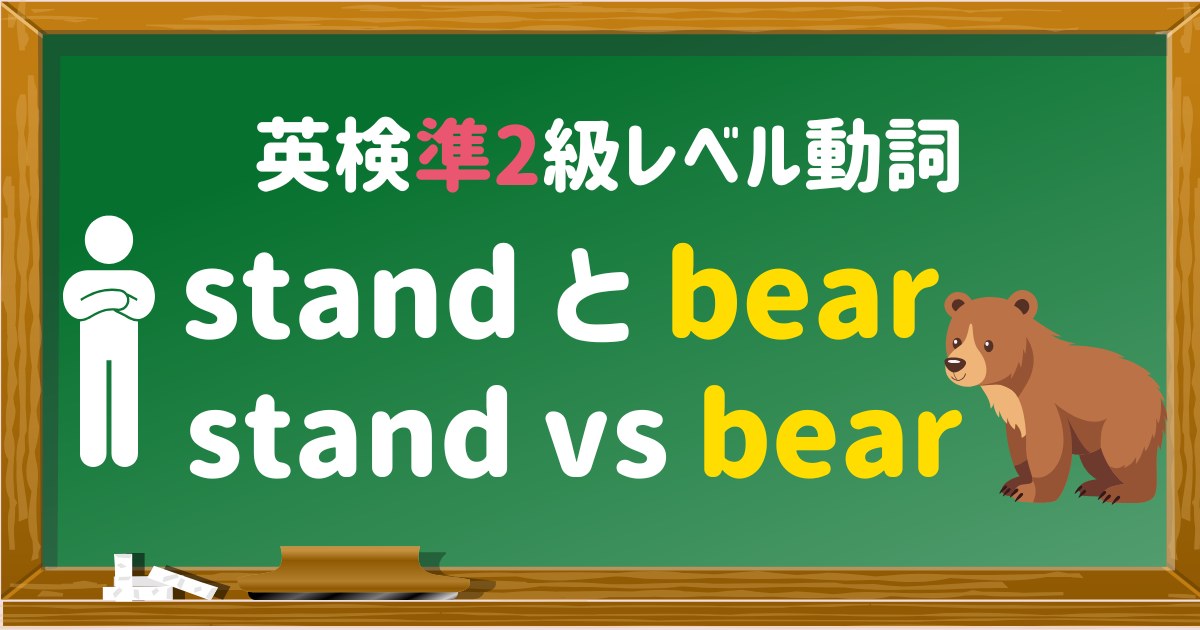
英検準2級レベルの動詞の中から、いくつか紹介します。
stand(立つ)
bear(くま)
を思いうかべる人も多いと思いますが、
どちらも動詞では「がまんする」という意味があります。
stand は
「もう無理!」「いやだ!」という気持ちで使います。
会話では、否定文(〜できない)でよく使います。
例
I can’t stand the noise.
→ その音、がまんできない / 本当にいやだ
She can’t stand waiting.
→ 彼女は待つのががまんできない
👉「いやでたまらない!」という気持ちです。
一方で bear は
つらいことを、じっとがまんするイメージです。
少しかたい表現で、痛みや悲しみなどにも使います。
例
I bore the cold and walked to school.
→ 寒さにたえて学校まで歩きました
※「bore」は「bear(がまんする)」の過去形です。
She bore the pain and kept running.
→ 彼女は痛みにたえて走り続けました
※「bore」は「bear(がまんする)」の過去形です。
👉「つらいけど、じっとがまんする」感じです。
ちがいをまとめると
stand = いやでがまんできない
bear = つらさにたえる
と考えると、分かりやすいですね。
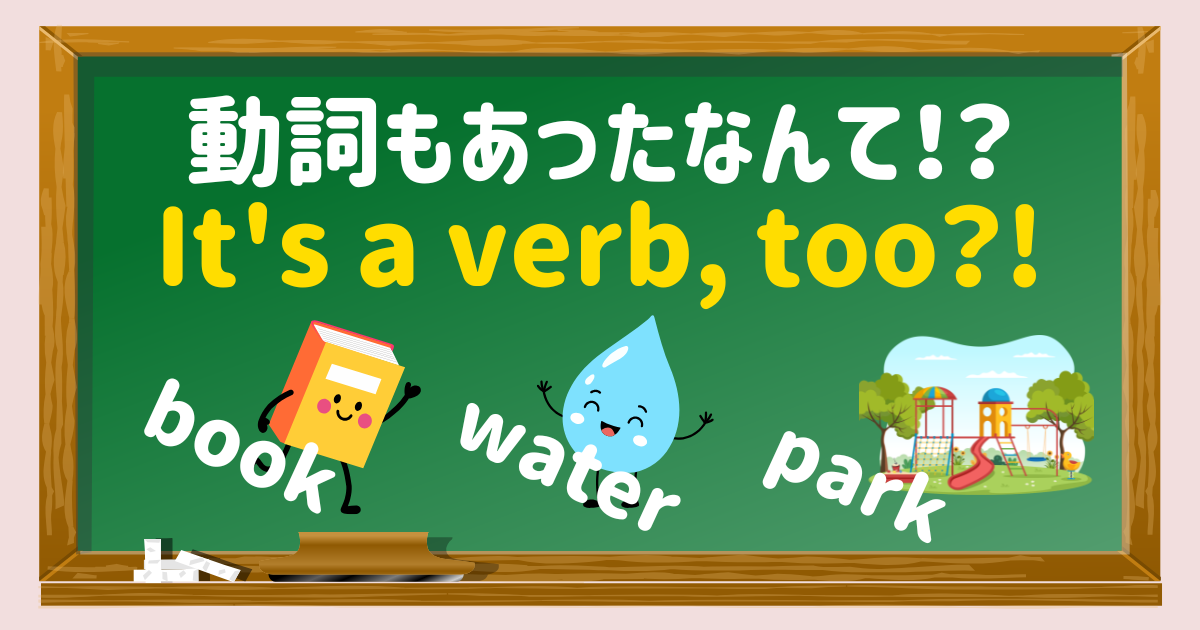
ほかにも、名詞と動詞で意味が変わる言葉があります。
block 名詞:ブロック 動詞:じゃまする
copy 名詞:コピー 動詞:まねる
face 名詞:顔 動詞:立ち向かう
park 名詞:公園 動詞:車をとめる
ring 名詞:指輪 動詞:鳴る
準2級レベルの動詞はこちらで練習できます →https://sumi-eigo-dojo.com/levelpre2verbs/
Words with the same spelling and sound, but different meanings
Here are some verbs from the Eiken Pre-2 level.
stand (stand up)
bear (a bear)
You may think of these meanings first, but
both words can also mean “to put up with something.”
stand
We use stand when we feel
“I don’t like it!” or “I can’t take it!”
It is often used in negative sentences.
Examples
I can’t stand the noise.
→ I really don’t like the noise.
She can’t stand waiting.
→ She doesn’t like waiting.
👉 It shows a strong feeling: “I really don’t like it!”
bear
bear means to stay strong and keep going
even when something is hard.
It is a little more formal and is used for pain, sadness, or difficulty.
Examples
I bore the cold and walked to school.
*”bore” is the past tense of “bear.”
→ I walked to school even though it was very cold.
She bore the pain and kept running.
*”bore” is the past tense of “bear.”
→ She kept running even though it hurt.
👉 It means “to keep going even when it’s hard.”
The difference in simple words
stand = I don’t like it and can’t take it
bear = I keep going even though it’s hard
There are other words that can be both nouns and verbs.
block (noun: a block / verb: to stop something)
copy (noun: a copy / verb: to copy or imitate)
face (noun: a face / verb: to face something)
park (noun: a park / verb: to park a car)
ring (noun: a ring / verb: to ring)
You can practice more Pre-2 level verbs here →https://sumi-eigo-dojo.com/levelpre2verbs/
同じつづり・同じ発音でも、意味がちがう言葉
Words with the same spelling and sound, but different meanings
英検準2級レベルの動詞の中から、いくつか紹介します。
Here are some verbs from the Eiken Pre-2 level.
stand(立つ)
bear(くま)
stand (stand up)
bear (a bear)
を思いうかべる人も多いと思いますが、
You may think of these meanings first,
どちらも動詞では「がまんする」という意味があります。
but both words can also mean “to put up with something.”
stand は
stand
「もう無理!」「いやだ!」という気持ちで使います。
We use stand when we feel “I don’t like it!” or “I can’t take it!”
会話では、否定文(〜できない)でよく使います。
It is often used in negative sentences.
例
Examples
I can’t stand the noise.
→ その音、がまんできない / 本当にいやだ
→ I really don’t like the noise.
She can’t stand waiting.
→ 彼女は待つのががまんできない
→ She doesn’t like waiting.
👉「いやでたまらない!」という気持ちです。
👉 It shows a strong feeling: “I really don’t like it!”
一方で bear は
On the other hand, bear
つらいことを、じっとがまんするイメージです。
bear means to stay strong and keep going even when something is hard.
少しかたい表現で、痛みや悲しみなどにも使います。
It is a little more formal and is used for pain, sadness, or difficulty.
例
Examples
I bore the cold and walked to school.
※「bore」は「bear(がまんする)」の過去形です。
*”bore” is the past tense of “bear.”
→ 寒さにたえて学校まで歩きました
→ I walked to school even though it was very cold.
She bore the pain and kept running.
※「bore」は「bear(がまんする)」の過去形です。
*”bore” is the past tense of “bear.”
→ 彼女は痛みにたえて走り続けました
→ She kept running even though it hurt.
👉「つらいけど、じっとがまんする」感じです。
👉 It means “to keep going even when it’s hard.”
ちがいをまとめると
The difference in simple words
stand = いやでがまんできない
stand = I don’t like it and can’t take it
bear = つらさにたえる
bear = I keep going even though it’s hard
ほかにも、名詞と動詞で意味が変わる言葉があります。
There are other words that can be both nouns and verbs.
block 名詞:ブロック 動詞:じゃまする
block (noun: a block / verb: to stop something)
copy 名詞:コピー 動詞:まねる
copy (noun: a copy / verb: to copy or imitate)
face 名詞:顔 動詞:立ち向かう
face (noun: a face / verb: to face something)
park 名詞:公園 動詞:車をとめる
park (noun: a park / verb: to park a car)
ring 名詞:指輪 動詞:鳴る
ring (noun: a ring / verb: to ring)
準2級レベルの動詞はこちらで練習できます →https://sumi-eigo-dojo.com/levelpre2verbs/
You can practice more Pre-2 level verbs here →https://sumi-eigo-dojo.com/levelpre2verbs/